Grey Reef Shark
Carcharhinus amblyrhynchos
The grey reef shark (Carcharhinus amblyrhynchos) is an iconic marine predator of the Indian and Pacific Oceans, admired for its sleek silhouette and its vital role in maintaining the balance of coral reef ecosystems. Found around coral reefs and in deeper waters, this agile species is also known for its remarkable social behaviour, gathering in organised groups during the day before dispersing at night to hunt.
Today, the grey reef shark faces serious threats from overfishing, habitat destruction and shark finning, all of which have caused alarming population declines. Protecting this species is essential not only for its own survival, but also for preserving the health of the oceans and the reef ecosystems where it plays such an important ecological role.


WEIGHT
34kg

DIET
Carnivorous, piscivorous

LONGEVITY
25 years

GESTATION
8–12 months
WEIGHT
34kg
DIET
Carnivorous, piscivorous
LONGEVITY
25 years
GESTATION
8–12 months
General characteristics of the grey reef shark
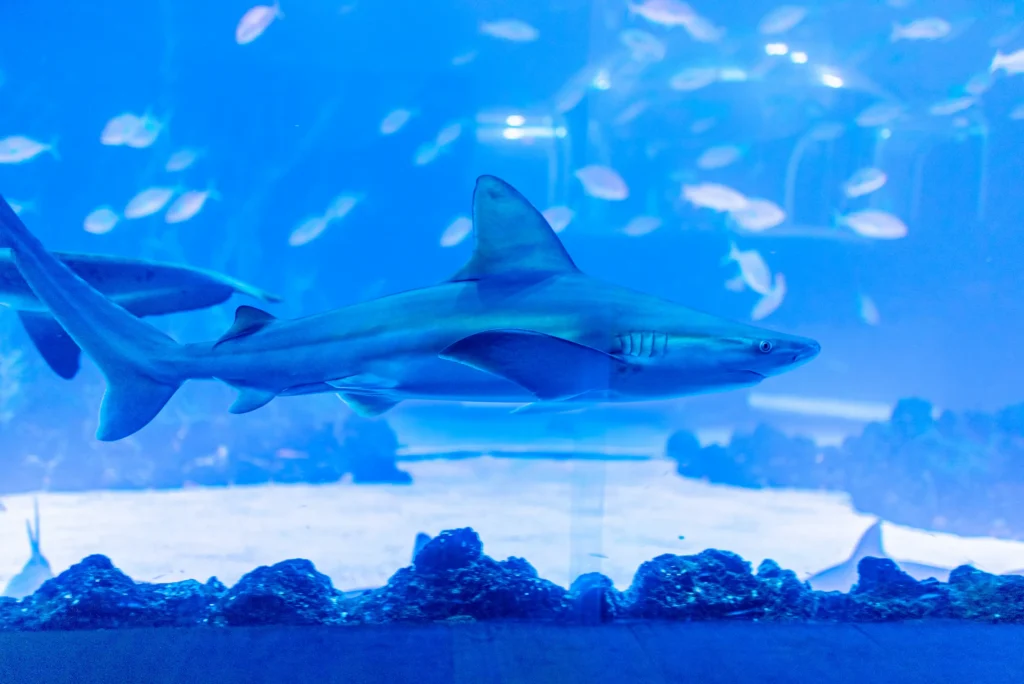
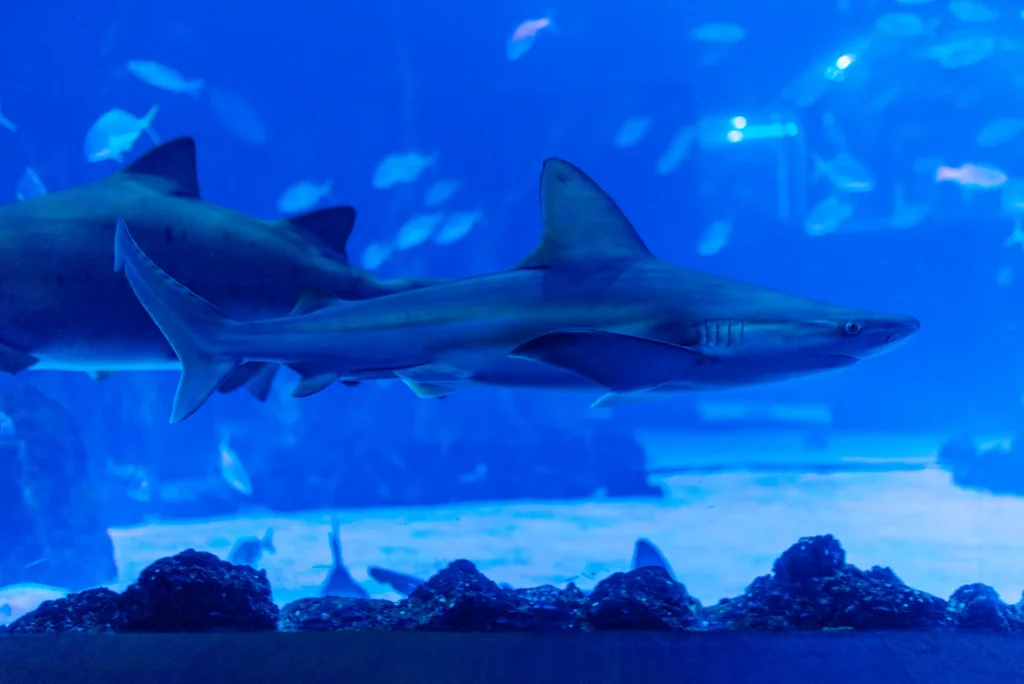
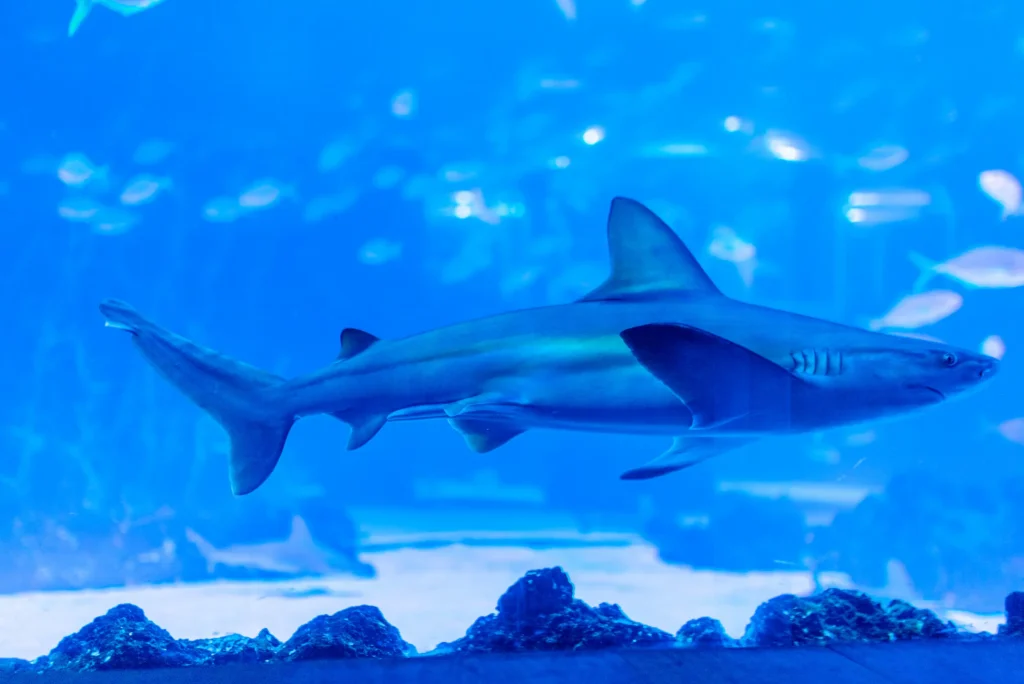
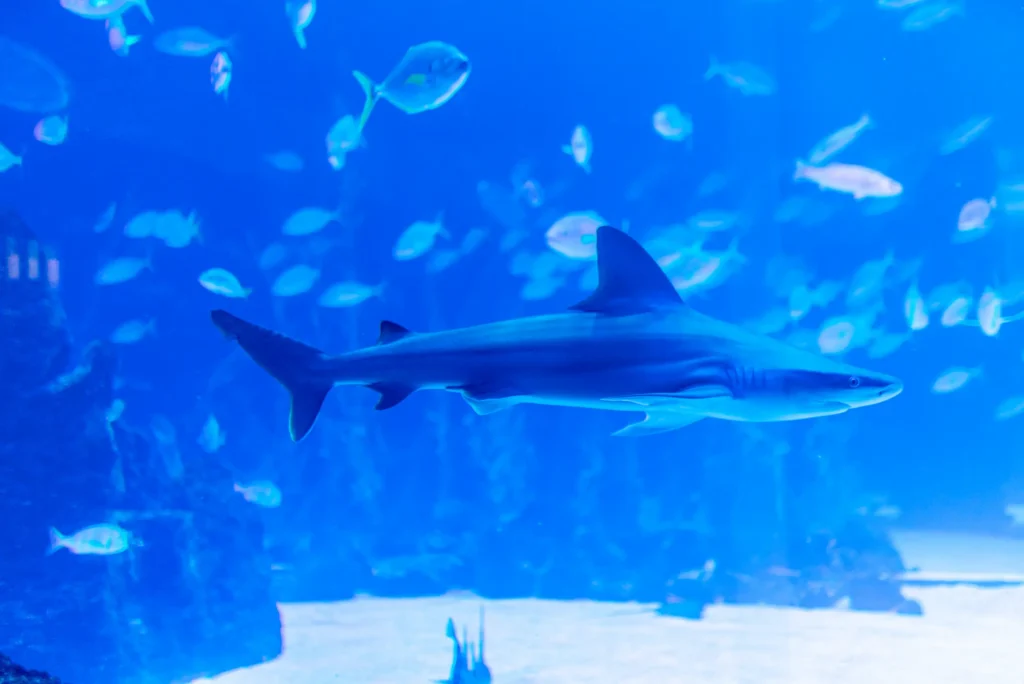
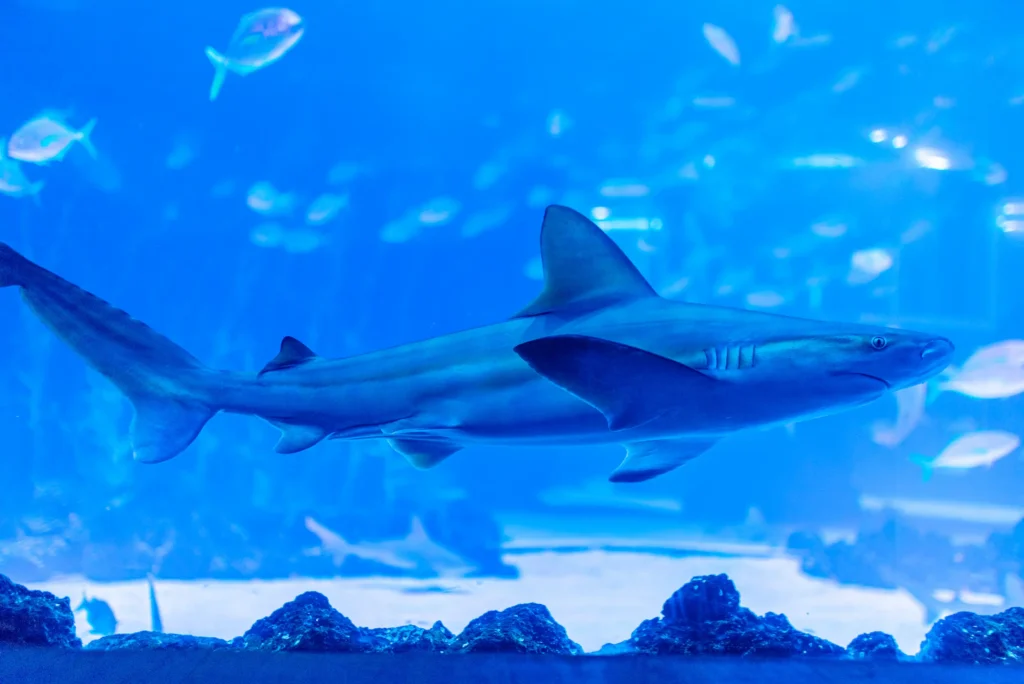
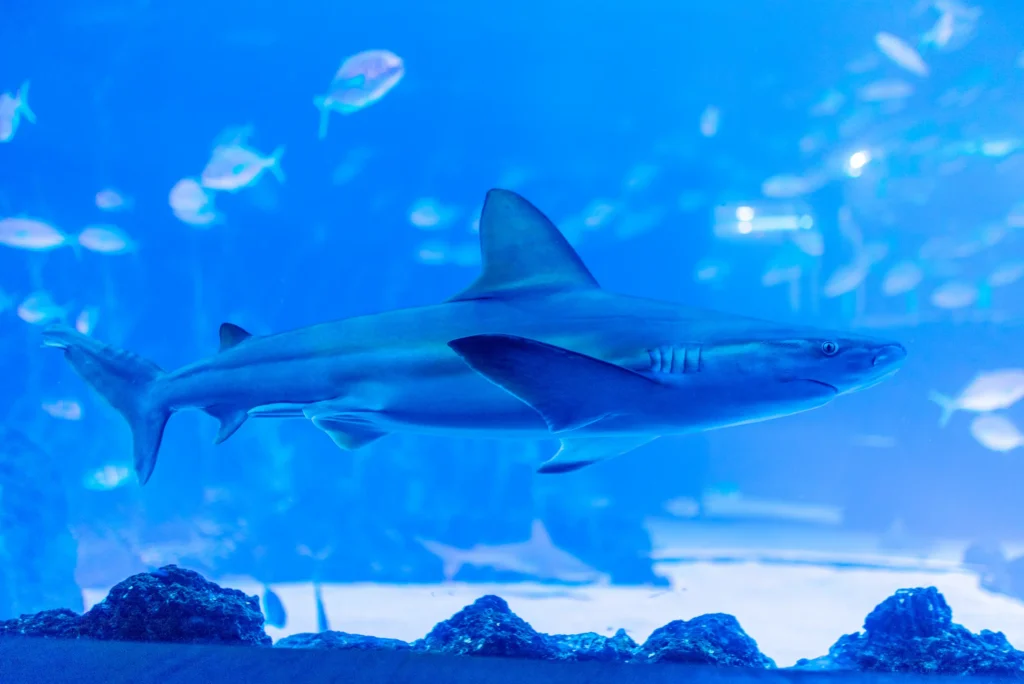
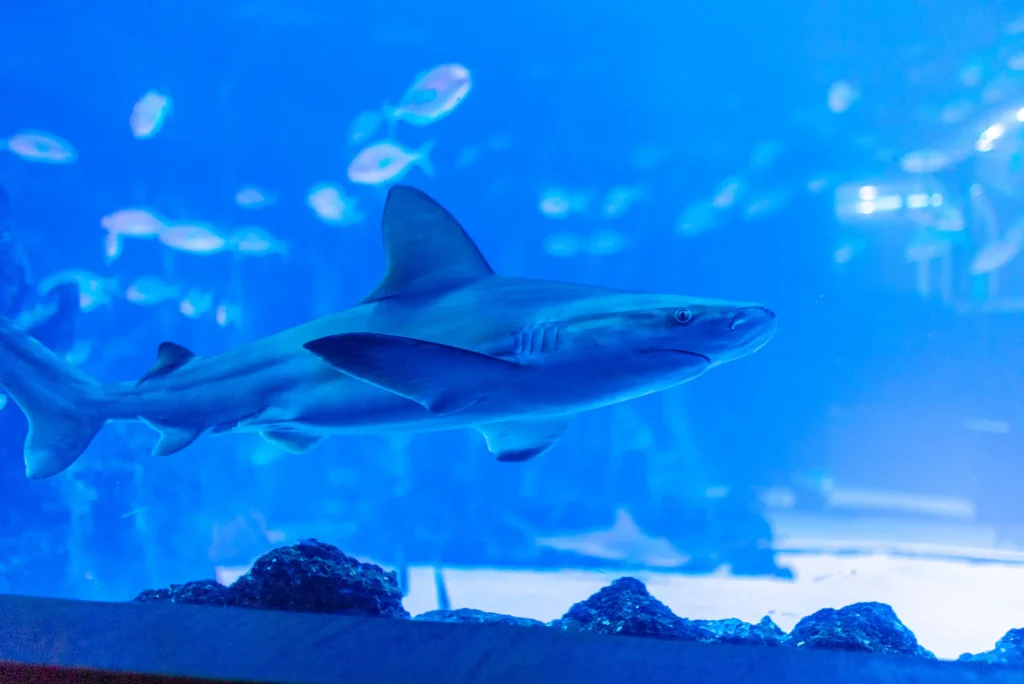
As its common name suggests, the grey reef shark has a predominantly grey upper body, while the underside is white, creating a striking contrast that provides effective camouflage in the surrounding water. Most of the fins have darker tips, although the first dorsal fin usually lacks this darker shading.
The tail fin is marked by a distinctive black trailing edge, making the species easy to identify, while some individuals display an elegant white margin along the leading edge of the first dorsal fin, adding another distinctive feature to its appearance.
The largest individuals can grow to around 2.55 metres in length, making the grey reef shark an agile and powerful predator within marine ecosystems. Despite these distinctive features, the species is often confused with the blacktip reef shark. The easiest way to tell them apart is that the blacktip reef shark has a black first dorsal fin, a feature that clearly distinguishes it from the grey reef shark. Together, these characteristics make Carcharhinus amblyrhynchos one of the most recognisable sharks inhabiting tropical and subtropical seas.
Diet
The grey reef shark has a varied, protein-rich diet that allows the species to thrive in a wide range of marine habitats. This predator feeds mainly on cephalopods such as squid and octopus, both fast-moving and elusive prey. Crustaceans, including crabs and shrimps, also form part of its diet and are captured among reef crevices or along the seabed, although fish remain its primary food source.
Small and medium-sized fish are readily taken whenever the opportunity arises, highlighting the shark’s adaptability and its important role as a regulator within the marine ecosystem.
Hunting success is enhanced by excellent eyesight and an acute sensitivity to vibrations, enabling the species to detect movement even in murky water. This diet provides the energy required to support its active lifestyle and position as an apex predator within the habitats it occupies.


Behaviour
The grey reef shark displays both diurnal and nocturnal activity, although it is generally more active after dark, when most feeding takes place.
One of the species’ most remarkable traits is its social nature. Grey reef sharks frequently gather in groups, particularly in areas with strong currents where prey is abundant. Their naturally inquisitive behaviour often leads them to investigate their surroundings, and they are also known for performing acrobatic dives that fascinate observers.
Although isolated incidents involving humans have been recorded, these are generally believed to occur when the shark perceives a threat. In such situations, the body adopts a distinctive S-shaped posture, a defensive display that signals discomfort and serves as a clear warning.

Reproduction
The grey reef shark is a viviparous species, meaning that the young develop inside the mother’s body, receiving nutrients directly from her until birth. Females usually give birth to between one and six pups after a gestation period lasting approximately 9 to 12 months, depending on environmental conditions. Births generally take place in shallow coastal waters, where the young benefit from greater protection against predators.
From the moment they are born, the pups are completely independent and possess all the skills needed to find food and defend themselves. Even so, survival rates in the wild can be low due to predation and competition for resources. This slow reproductive cycle, combined with the relatively small number of offspring produced in each litter, makes grey reef shark populations particularly vulnerable to external pressures such as overfishing.

Geographical distribution and habitat
The grey reef shark has a wide geographical distribution across several of the world’s marine regions. It inhabits tropical and subtropical waters of the Atlantic, Indian and Pacific Oceans, ranging from South America to Asia, Africa and Oceania. The species is commonly found in areas including the Red Sea, the Bay of Bengal, the Philippine Sea and the Caribbean Sea, as well as around island groups such as the Galápagos Islands and Borneo.
Although coral reefs and shallow coastal waters are its preferred habitats, the grey reef shark has also been recorded on continental shelves and within sheltered lagoons. Its remarkable adaptability allows the species to thrive throughout East Asia, Sub-Saharan Africa and the South Pacific, where it is particularly common in regions such as French Polynesia and the Marshall Islands. Nevertheless, distribution is closely linked to habitat quality, with the healthiest populations found in areas where marine ecosystems remain well preserved.

Threats to the population
Photos of the grey shark
Fascinating facts about the grey reef shark
Master of adaptation
Strength in numbers
Guardians of coral reefs
How we contribute to the conservation of the grey reef shark

Descárgate nuestra enciclopedia
Dentro de nuestra labor informativa y formativa sobre biodiversidad hemos desarrollado una enciclopedia sobre los cetáceos. Es un documento extenso donde encontrarás datos e información científica sobre el comportamiento y los mitos y verdades que rodean a estos animales.

Certificado de bienestar animal de la Asociación Británica de Agentes de Viajes (ABTA)

Certificado Europeo por la Responsabilidad Ambiental desde 2005

Certificado Humane Conservation con la máxima calificación al mejor parque zoológico de Europa American Humane Association (AHA) EEUU
Certificados desde 2008 por el Instituto de Turismo Responsable y desde 2021 cumpliendo con las acciones Biosphere LifeStyle alineadas con los 17 Objetivos de Desarrollo Sostenible de la Agenda 2030 de las Naciones Unidas

ISO 9001 – Certificado TUV Rheinland Sistema de gestión de calidad certificado respecto a la norma ISO 9001 desde 2013 ISO 14001 y Certificado TUV Rheinland por el alto respeto al Medio Ambiente desde 2005