Red-bellied macaw
Orthopsittaca manilatus
Red-bellied macaw
Orthopsittaca manilatus
Orthopsittaca manilatus
The red-bellied macaw is a striking medium-sized parrot closely associated with the wetlands and savannas of northern and central South America, where it typically lives between 15 and 30 years.
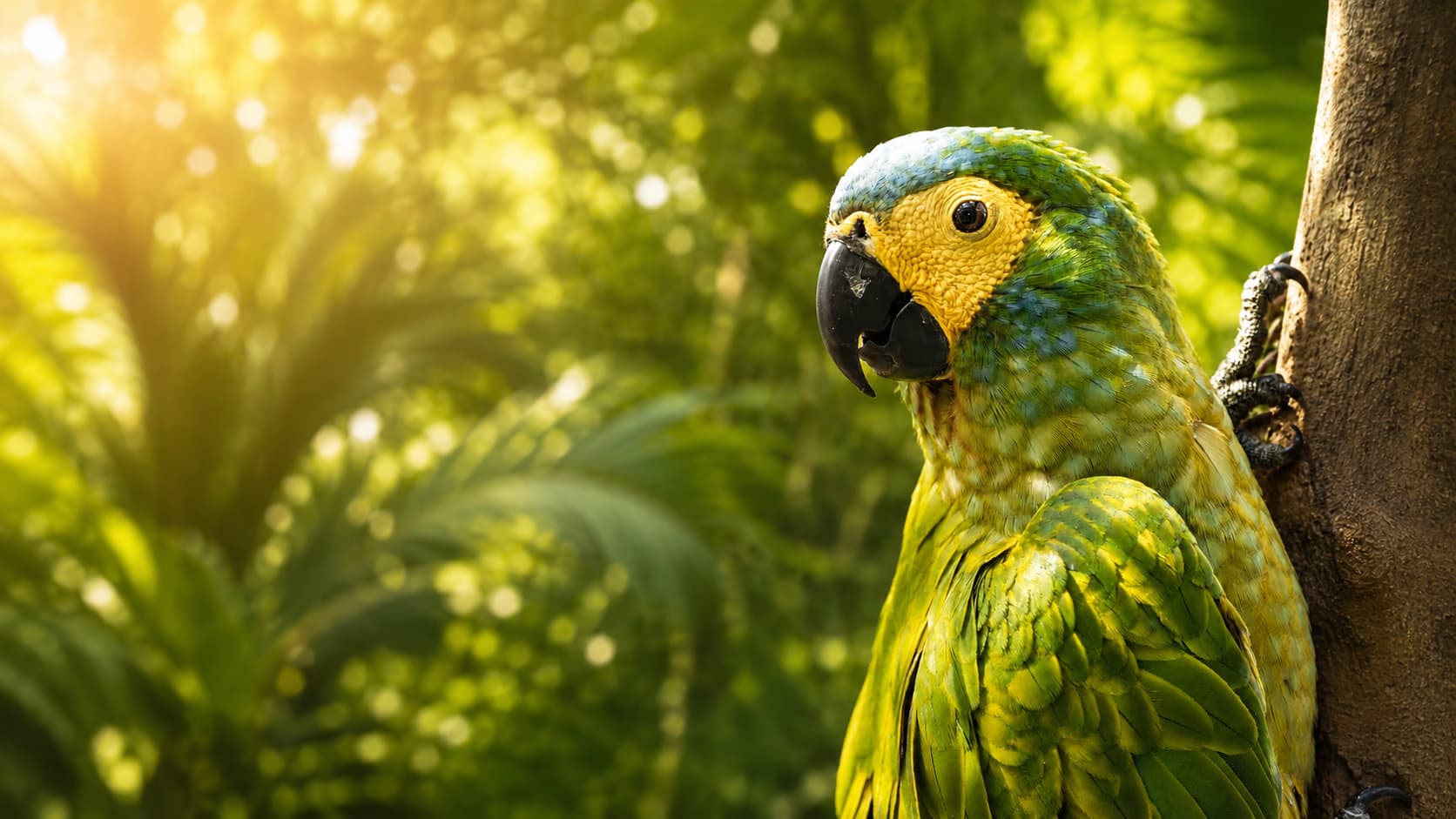
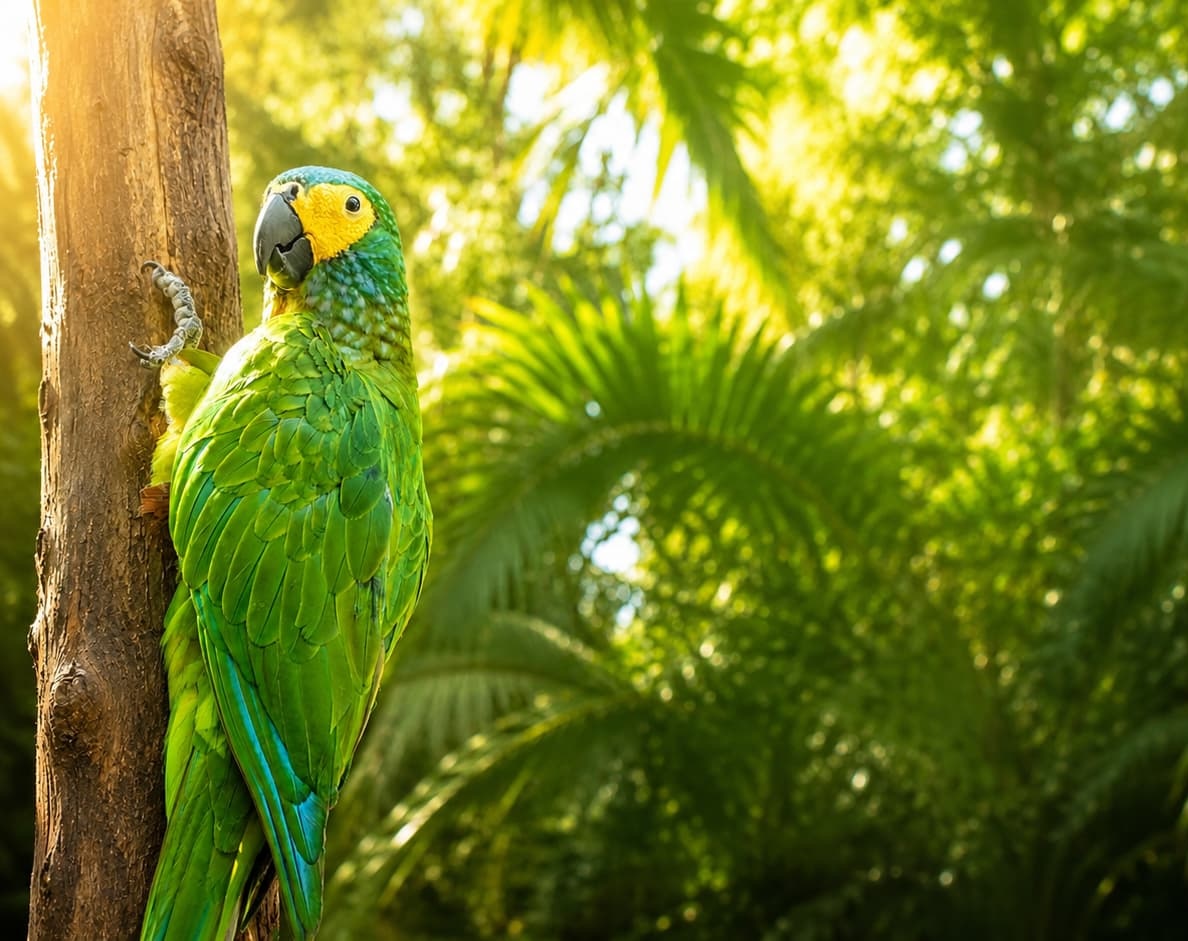
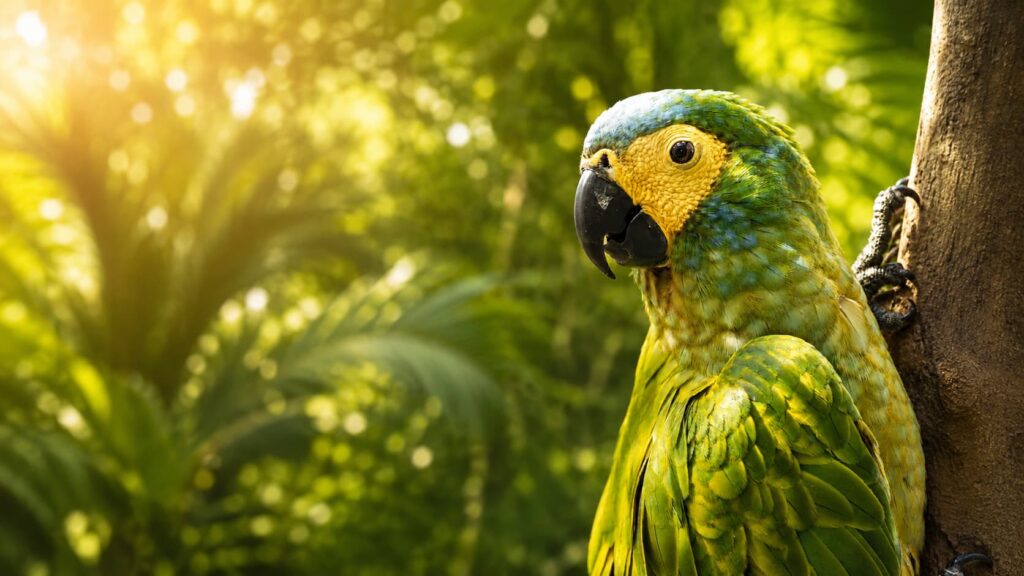
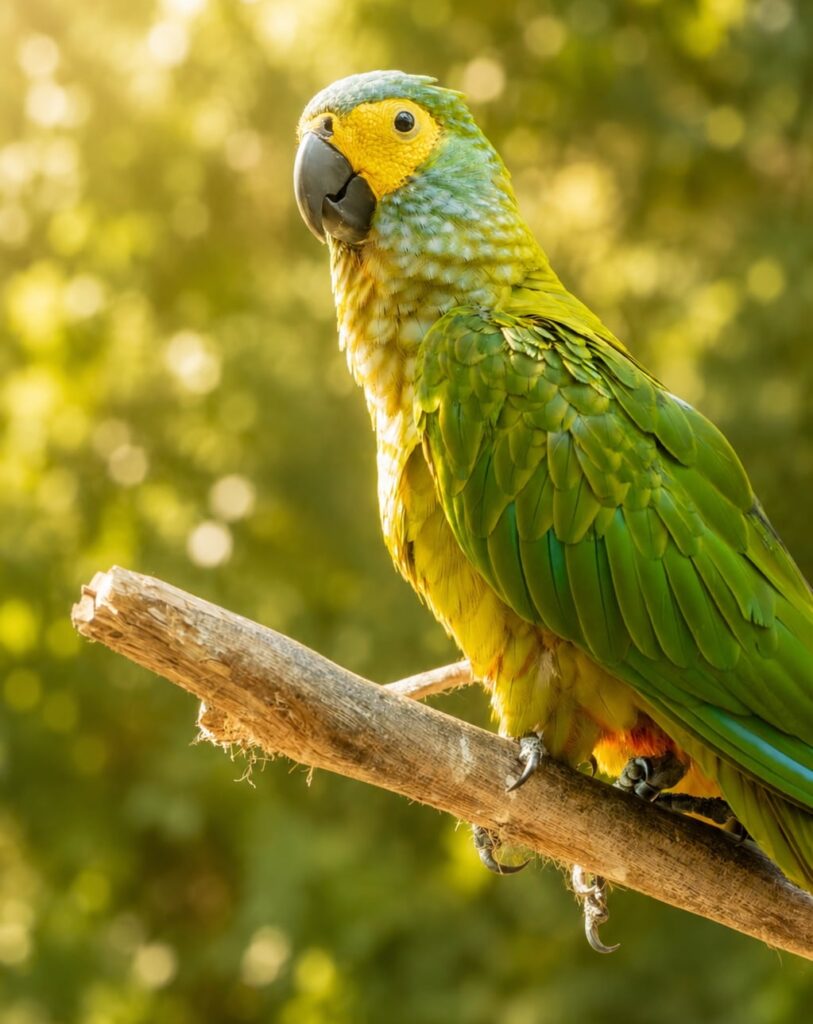
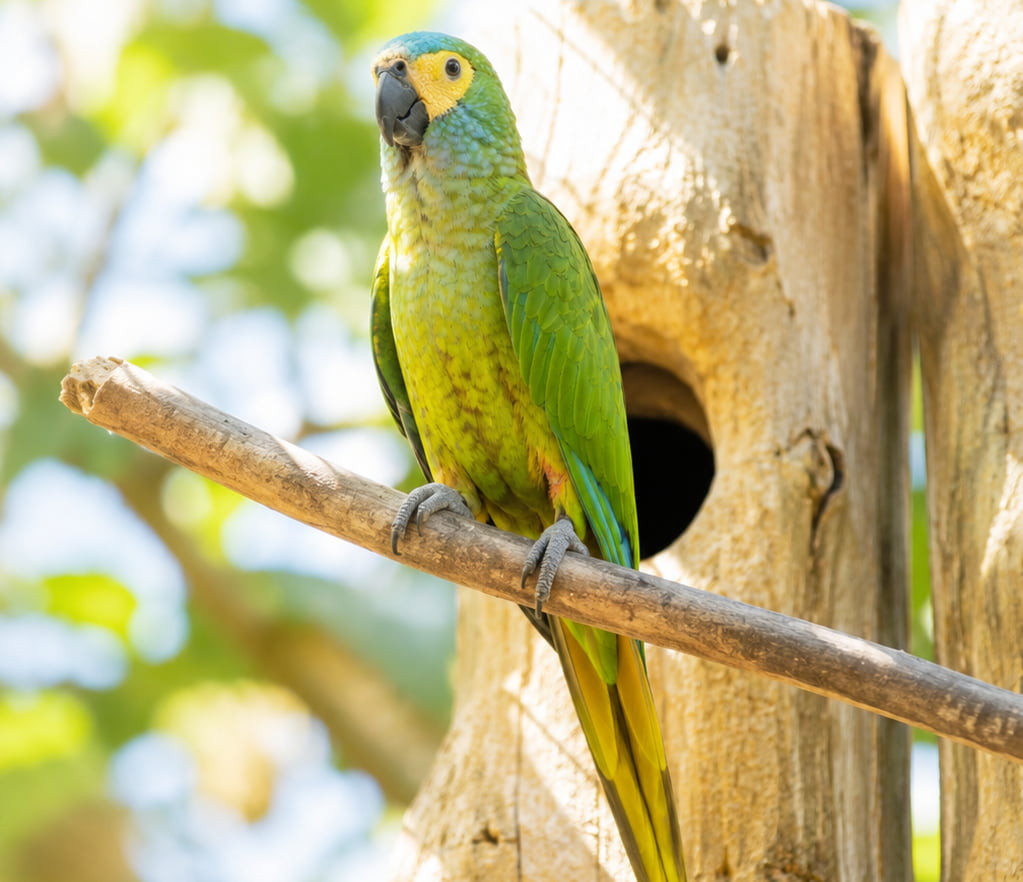
Its bright yellow facial skin and bluish forehead make it easy to recognise. Beyond its distinctive appearance, however, this species is remarkable for its close dependence on the moriche palm (Mauritia flexuosa). Its entire life cycle revolves around these extensive palm groves, which provide not only its highly specialised food source but also ideal nesting and roosting sites.

WEIGHT
292 – 390 g

DIET
Herbivorous

ORIGIN
Northern and central South America

INCUBATION
25 – 27 days
WEIGHT
292 – 390 g
DIET
Herbivorous
ORIGIN
Northern and central South America
INCUBATION
25 – 27 days
The red-bellied macaw is distinguished by its vibrant plumage, which is predominantly green. Its feathers contrast with the unmistakable maroon patch on its abdomen, one of the species’ defining characteristics. It also has a distinctive area of bare yellow facial skin.
Juveniles can be recognised by the white band across their otherwise black bill, a feature that disappears as they mature. Interestingly, this characteristic is also shared by the Spix’s macaw and the burrowing parrot.
This species feeds almost exclusively on the fruits of the moriche palm (Mauritia flexuosa), although it has also been recorded consuming the fruits of other palm species. These fruits contain approximately 53% fat, 43% carbohydrates and 4% protein.
Its highly specialised diet greatly reduces direct competition for food with more generalist bird species.
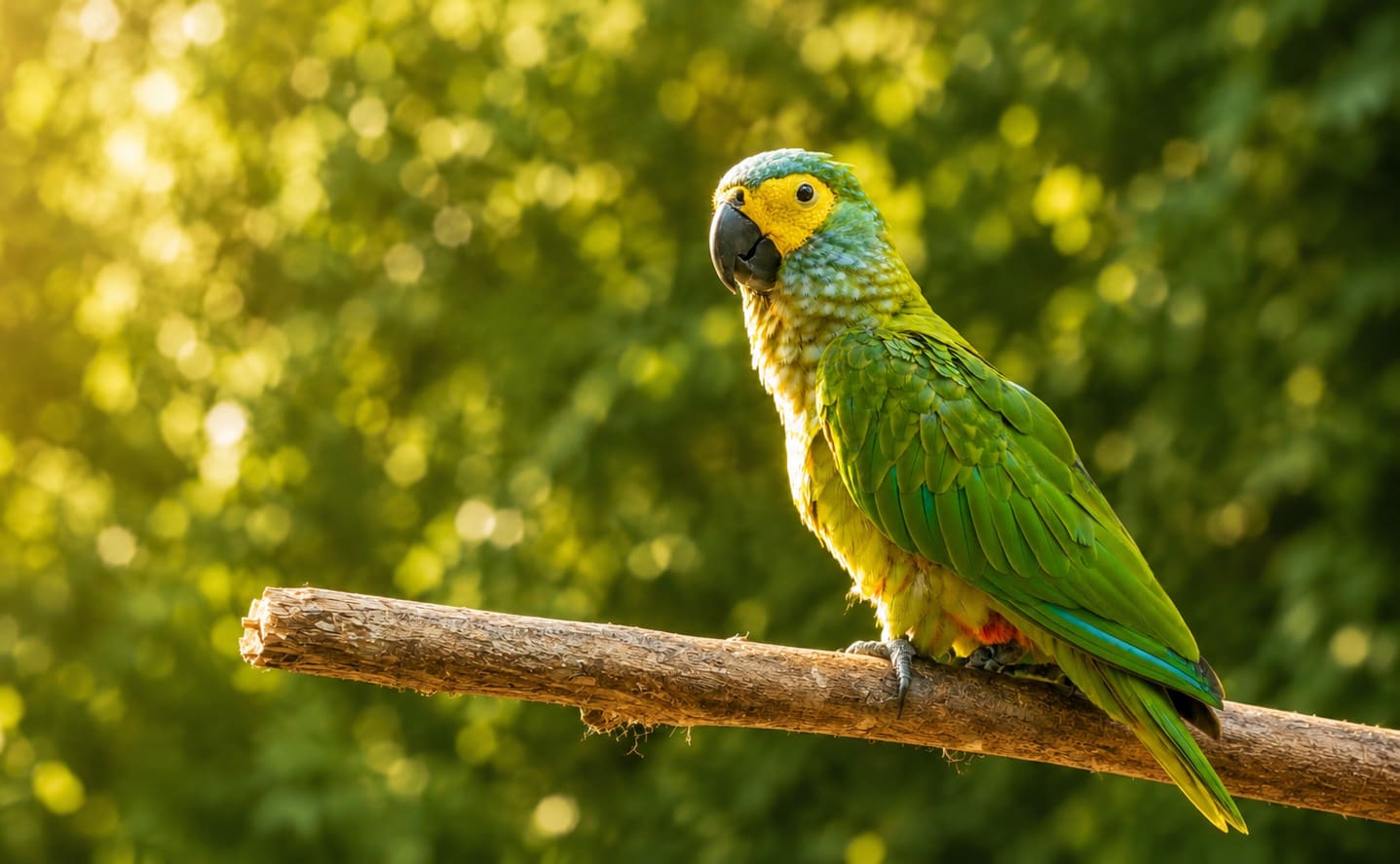
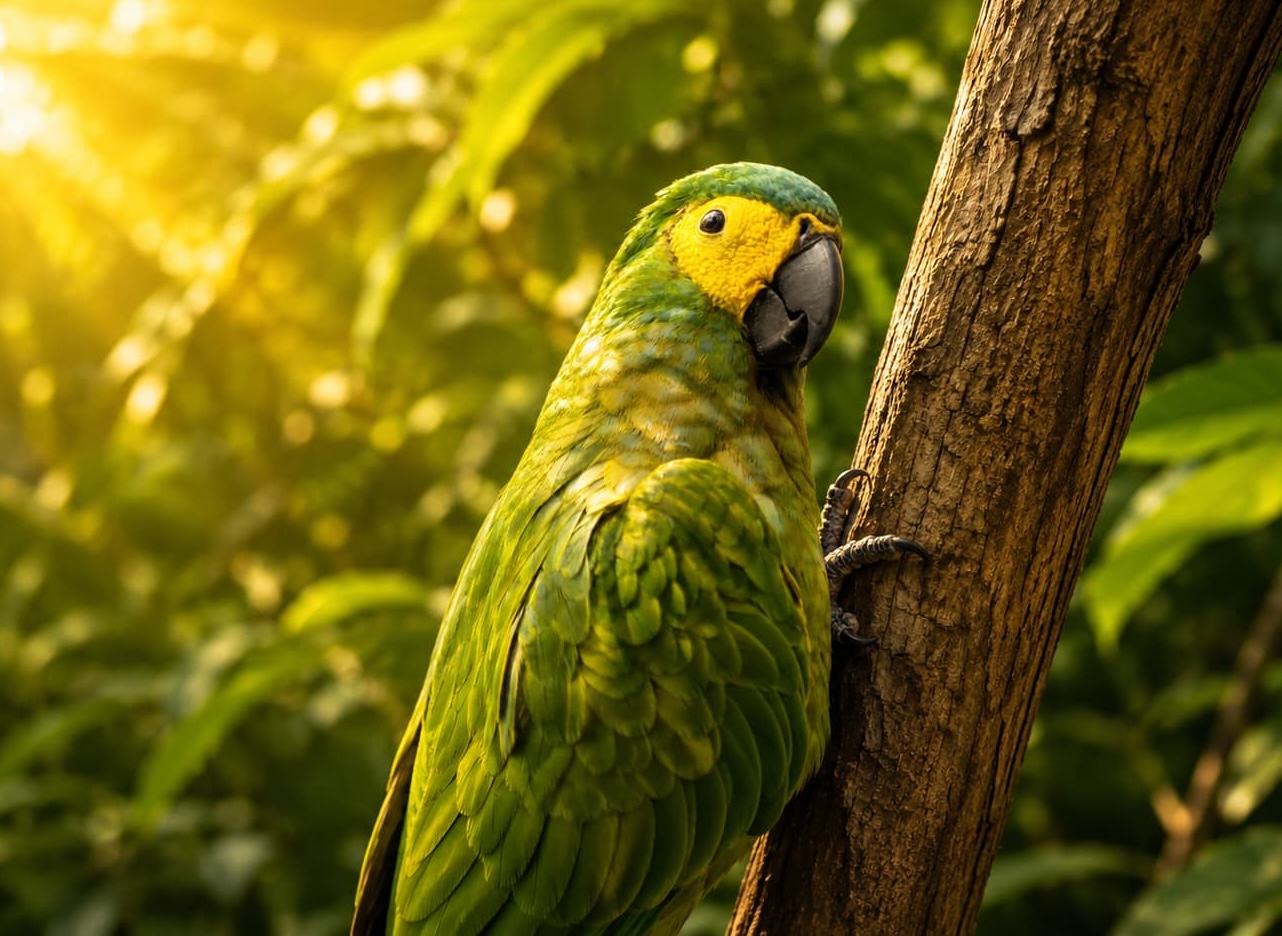
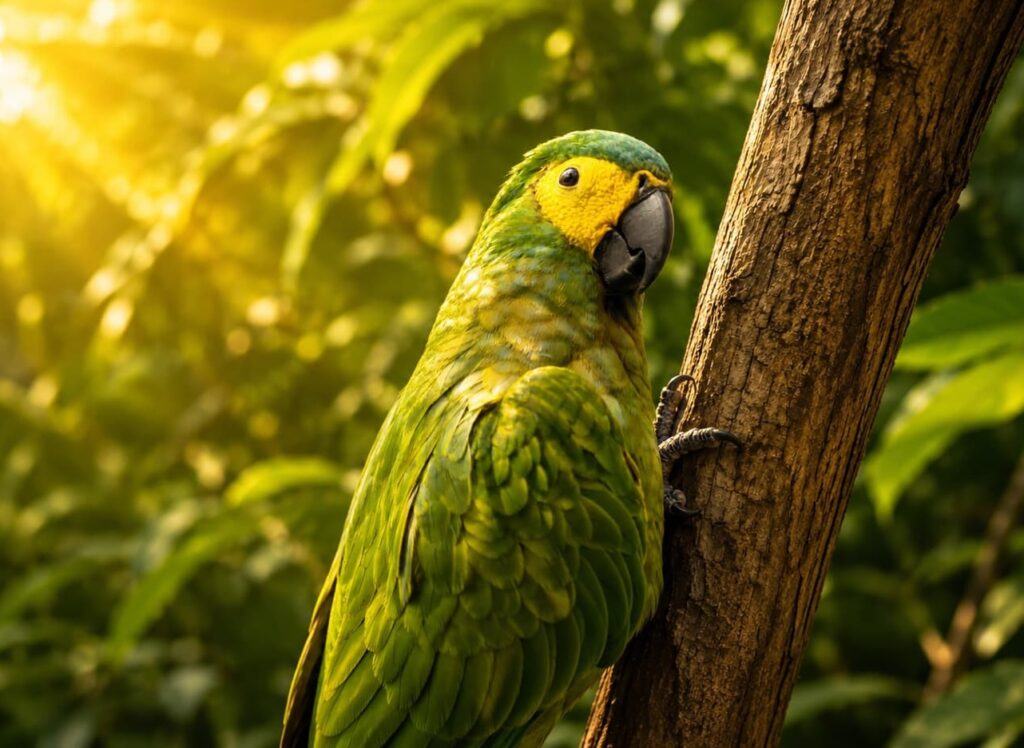
The red-bellied macaw is a diurnal and highly social species. It commonly gathers in large flocks at communal roosting sites, where several individuals may share the same nesting cavity. In parts of its range, it has also been observed occupying cavities previously used by other bird species. Its flight call is high-pitched and distinctly different from those of many other macaws.
Each day, these macaws undertake regular movements between their feeding grounds and their traditional roosting sites within palm groves. Depending on the region, their local abundance may fluctuate with the seasonal availability of the palm fruits on which they depend.

Compared with the larger macaws, Orthopsittaca manilatus reaches sexual maturity at a much younger age, typically between two and three years. Although both parents cooperate in raising their chicks, pair bonds in this species are thought to be less exclusive than those of many other macaws.
Females usually lay two eggs in the wild, although birds under human care may lay up to four. The incubation period lasts approximately 25–27 days and, as with other parrots, both parents play an active role in protecting and feeding the chicks after hatching. Young birds become fully feathered and are ready to leave the nest after around 10–11 weeks.
Successful breeding has been achieved under human care by only a small number of specialist breeders worldwide. The species breeds regularly at Loro Parque Fundación, home to the world’s largest living genetic reserve of parrots.
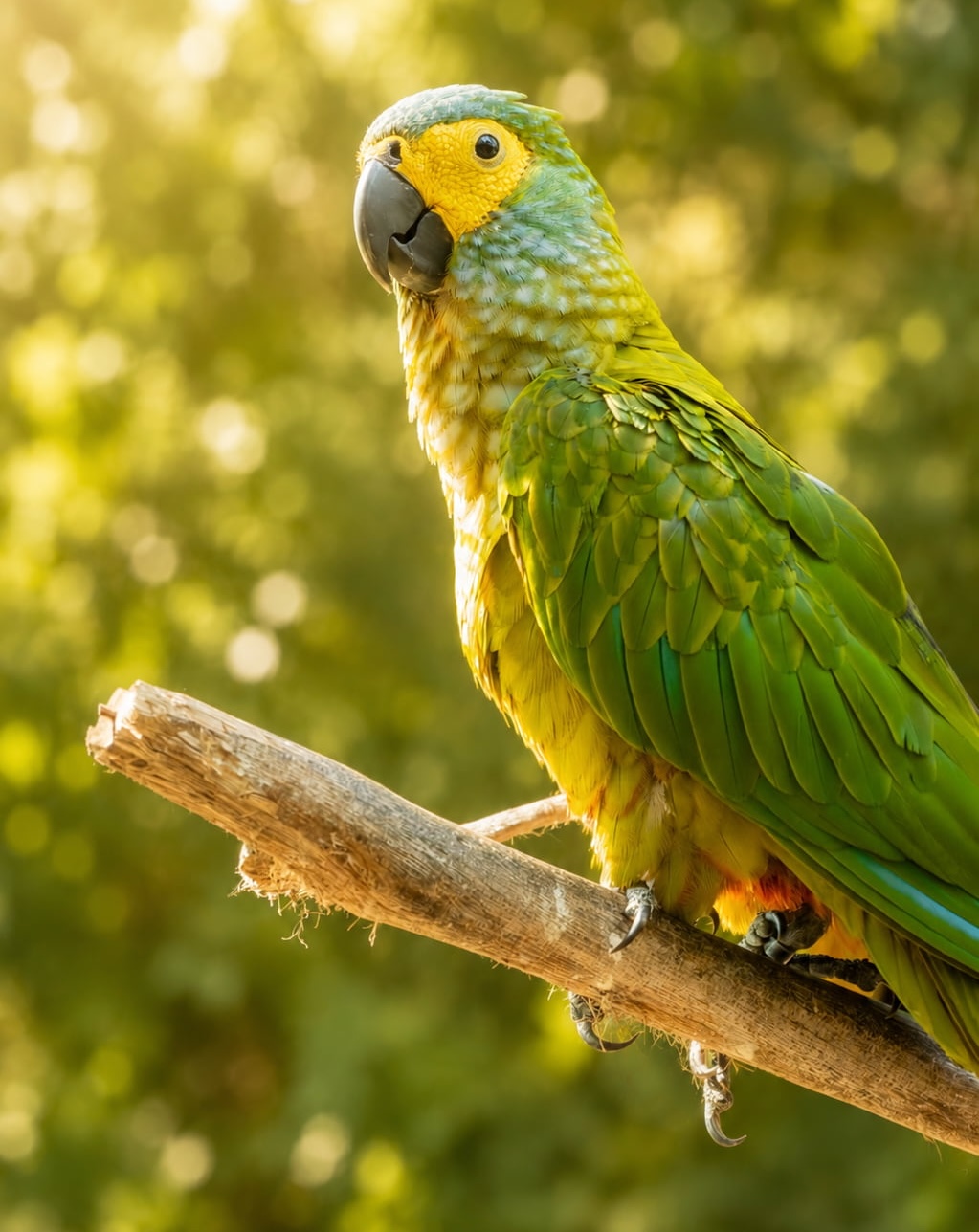
The red-bellied macaw has a wide distribution across northern and central South America, occurring in Colombia, Ecuador, Peru, Venezuela, Bolivia, Trinidad, the Guianas and Brazil.
It inhabits seasonally or permanently flooded savannas, woodland bordering streams, gallery forests and mangroves. It can also be found in plantations and parks close to human settlements. Throughout much of its range, its distribution is closely linked to the presence of the moriche palm (Mauritia flexuosa).
Conservation status
A macaw unlike any other
A regional diet
Large gatherings
As part of our educational and awareness work on biodiversity, we have developed an encyclopaedia about cetaceans. This comprehensive document offers scientific data and insights into their behaviour, as well as the myths and facts surrounding these fascinating animals.

Certificado de bienestar animal de la Asociación Británica de Agentes de Viajes (ABTA)

Certificado Europeo por la Responsabilidad Ambiental desde 2005

Certificado Humane Conservation con la máxima calificación al mejor parque zoológico de Europa American Humane Association (AHA) EEUU

Certificados desde 2008 por el Instituto de Turismo Responsable y desde 2021 cumpliendo con las acciones Biosphere LifeStyle alineadas con los 17 Objetivos de Desarrollo Sostenible de la Agenda 2030 de las Naciones Unidas

ISO 9001 – Certificado TUV Rheinland Sistema de gestión de calidad certificado respecto a la norma ISO 9001 desde 2013 ISO 14001 y Certificado TUV Rheinland por el alto respeto al Medio Ambiente desde 2005