Tenerife is an island of striking contrasts, capable of offering volcanic landscapes, lush forests, untamed beaches and historic cities within just a few kilometres. Indeed, it is a destination that adapts effortlessly to every kind of traveller.
If you are wondering what to visit in Tenerife, how to organise your trip by areas and which places are truly unmissable, this guide will help you turn your holiday into an unforgettable memory.
So... where should you begin?
Before exploring each area in detail, here is a map highlighting the main places to see in Tenerife, allowing you to get your bearings more easily.
In the north of the island, you will encounter verdant landscapes, whereas the south is sunnier and lined with beaches. Meanwhile, the interior is dominated by Spain’s highest peak, Mount Teide; in addition, you will find cities rich in culture and vibrant local life.
What to see in northern Tenerife: nature and authenticity
If there is one area that truly captivates nature lovers, it is the north — untamed and remarkably green. Here, the scenery shifts dramatically, revealing a more humid, mountainous and less tourist-driven side of the island.
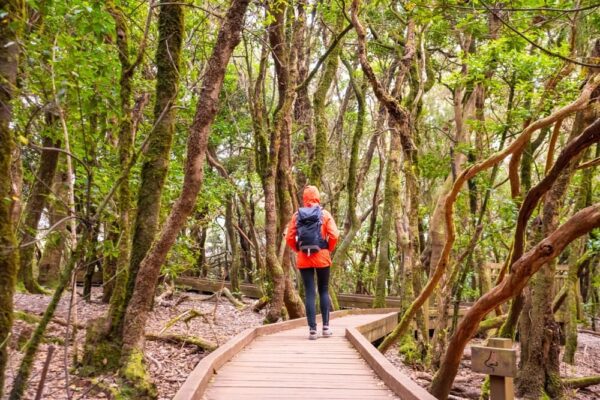
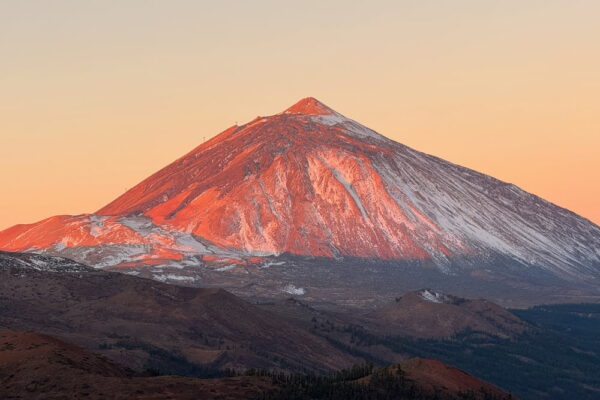
The undisputed highlight is the Anaga Rural Park, declared a Biosphere Reserve — a protected natural area featuring laurel forests, panoramic roads and a rugged, untamed coastline. In this part of the island, you will also find the Mirador de Benijo, one of Tenerife’s most breathtaking viewpoints, from which you can witness one of the most magical sunsets in the archipelago.
Teide and its volcanic landscape: the soul of Tenerife
Teide National Park is not only the most visited site on the island; it is also one of the most spectacular places in Spain — and undoubtedly one of our enduring favourites. Ascending to this altitude truly feels like travelling to another planet.
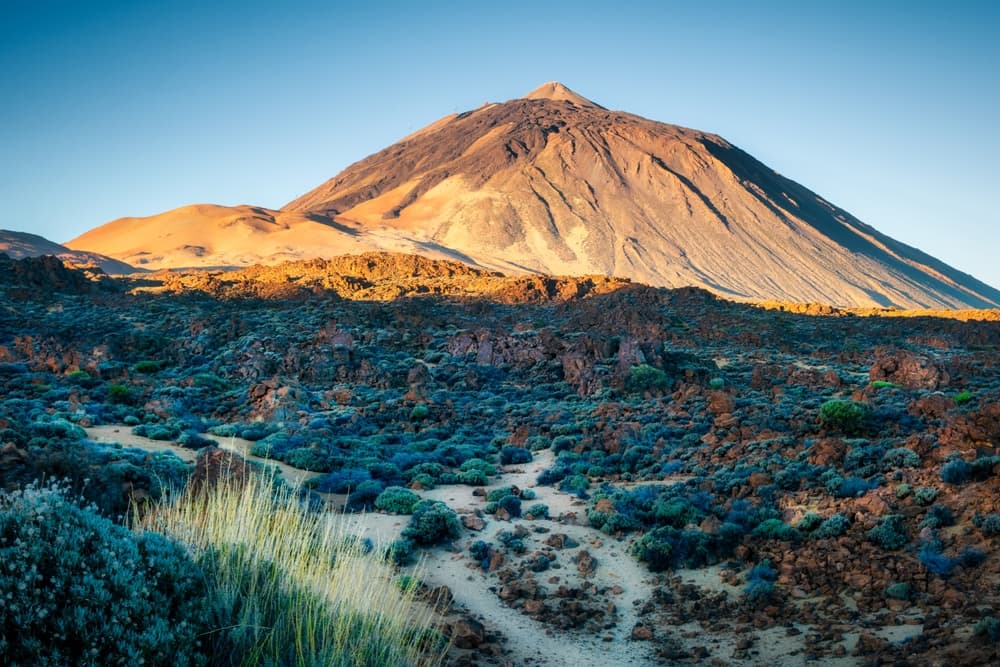
Mount Teide is the highest mountain in Spain, at 3,715 metres above sea level, and one of the most impressive and iconic volcanoes in Europe.
Roads cut through ancient lava flows, surreal rock formations rise dramatically from the earth, and Mount Teide dominates the horizon. Whether you choose to walk among the Roques de García, take the cable car upwards or simply pause to admire the sweeping views, this is unquestionably one of those places that remains etched in your memory.
Practical tip: do not forget to bring warm clothing. Just as the landscape shifts abruptly, so too does the temperature. The Canary Islands are renowned for their distinct microclimates.
Beaches in northern Tenerife: the wildest and most natural
The beaches in northern Tenerife are defined by their volcanic surroundings, stronger waves and a far more unspoilt natural setting than those in the south of the island. They are not designed for mass tourism; rather, they appeal to travellers seeking authentic landscapes and a deeper connection with nature.
Among the most well-known and recommended beaches in the north are:
- Almáciga, spacious and particularly popular among surfers
- El Bollullo, framed by banana plantations and dramatic cliffs
- Benijo Beach, widely regarded as the most unspoilt and spectacular
- Los Patos Beach, secluded and far less crowded
Of them all, Benijo holds a truly special place.
Benijo Beach
Benijo Beach is one of Tenerife’s most iconic and photogenic beaches. With its black volcanic sand and striking, rugged backdrop, it epitomises the island’s wildest and most natural side. It remains undeveloped, preserving an authenticity that clearly distinguishes it from the more urbanised beaches of the south.
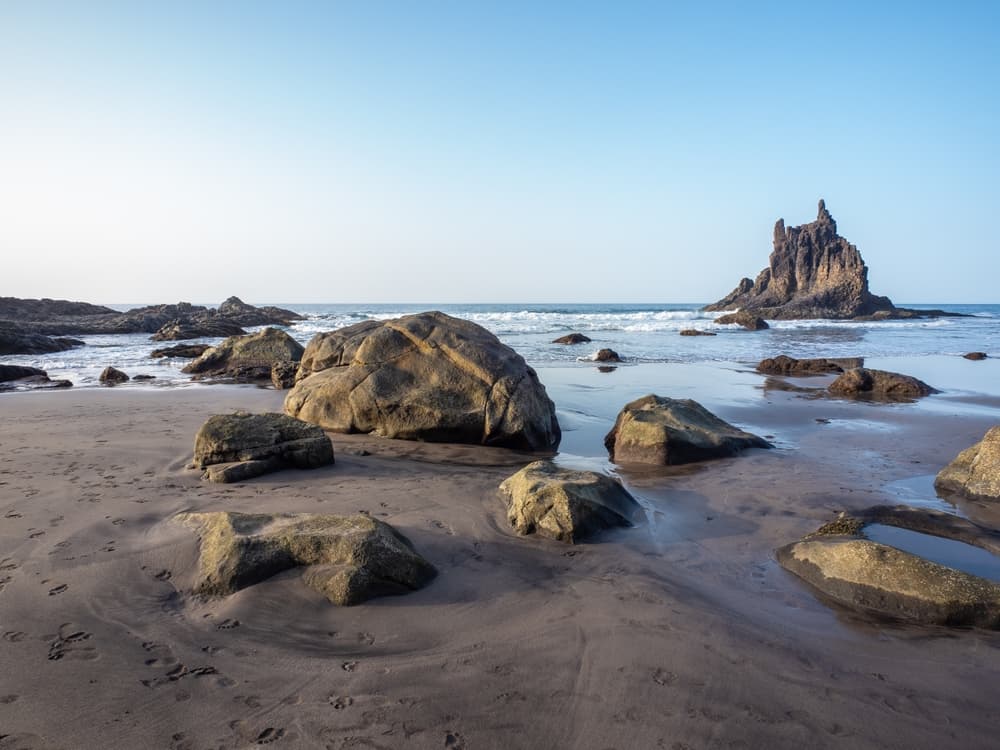
It is especially renowned for its spectacular sunsets, when the sun sinks behind the rocky outcrops rising from the sea, casting the landscape in deep reds and golden hues.
Although the waves are often strong — meaning it is not always ideal for swimming — it is, nevertheless, a perfect setting for a walk, photography or simply immersing yourself in the raw beauty of the surroundings.
Santa Cruz de Tenerife: culture, sea and local life
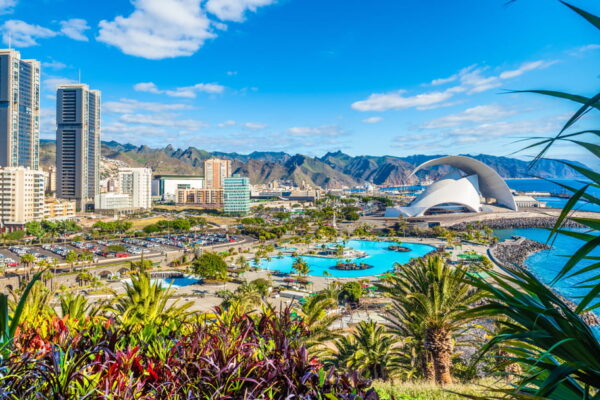
If you are wondering what to see in Santa Cruz de Tenerife, the island’s capital, it is worth knowing that it is far more than a mere stopover. Here, modern architecture coexists with shopping districts, vibrant gastronomy and urban beaches. Among our must-see highlights are:
- Plaza de España, the city’s urban heart
- Auditorio de Tenerife, an architectural icon overlooking the sea
- Mercado de Nuestra Señora de África, ideal for discovering and purchasing local produce
- Playa de Las Teresitas, one of the most beloved beaches among locals and visitors alike
Santa Cruz is perfect for spending a few hours or half a day, effortlessly combining an urban stroll, cultural discovery and relaxation by the sea. Moreover, its proximity to La Laguna — another of the island’s great cultural treasures — makes it easy to extend your visit and experience even more of Tenerife’s heritage.
La Laguna: history and heritage
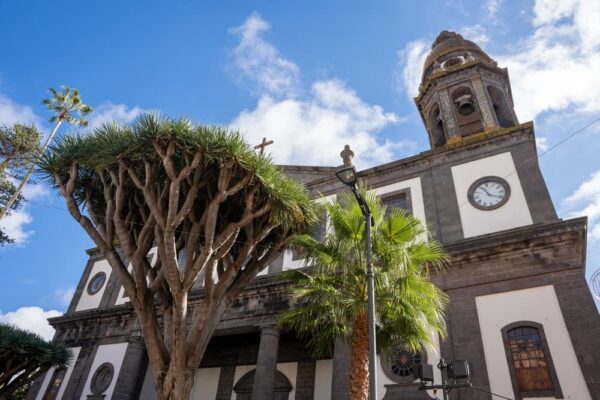
Just a few minutes from the capital lies San Cristóbal de La Laguna, a city that has preserved its historic layout intact and has been declared a UNESCO World Heritage Site.
Strolling through La Laguna means wandering among colonial houses, inner courtyards and streets steeped in history.
Among the most remarkable attractions are:
- La Laguna Cathedral, one of the most important religious buildings in the Canary Islands.
- Convent of Santa Catalina de Siena, renowned for its historic turnstile.
- Casa de los Capitanes Generales, an outstanding example of Canarian civil architecture.
- Museum of History and Anthropolofy of Tenerife, ideal for gaining insight into the island’s past.
Its calm, university atmosphere makes it one of the most pleasant places to appreciate Tenerife’s historical heritage at an unhurried pace. Moreover, as is often the case in many corners of the island’s north, the experience does not end when you leave its colonial streets behind; rather, it continues at the table, where gastronomy becomes an essential part of the journey.
Gastronomy in northern Tenerife: flavours with identity
Many travellers come to Tenerife drawn not only by its landscapes, but also by its culinary offering. Indeed, the north of the island is one of the finest places to discover the essence of Canarian cuisine, where tradition and local produce blend seamlessly with more contemporary approaches.
Tenerife’s gastronomy is defined by the use of simple yet deeply flavourful ingredients: fresh Atlantic fish, papas arrugadas served with mojo, artisan cheeses, quality meats and volcanic wines with designation of origin. Unsurprisingly, the influence of the surrounding environment is evident in every dish, turning each meal into a natural extension of the journey itself.
If you are seeking a dining experience with character in the north — particularly around Puerto de la Cruz — Brunelli’s has established itself as one of the area’s benchmark restaurants. With sea views and a menu centred on premium meats and high-quality produce, it is an excellent choice for those wishing to combine scenery and cuisine in a single experience.
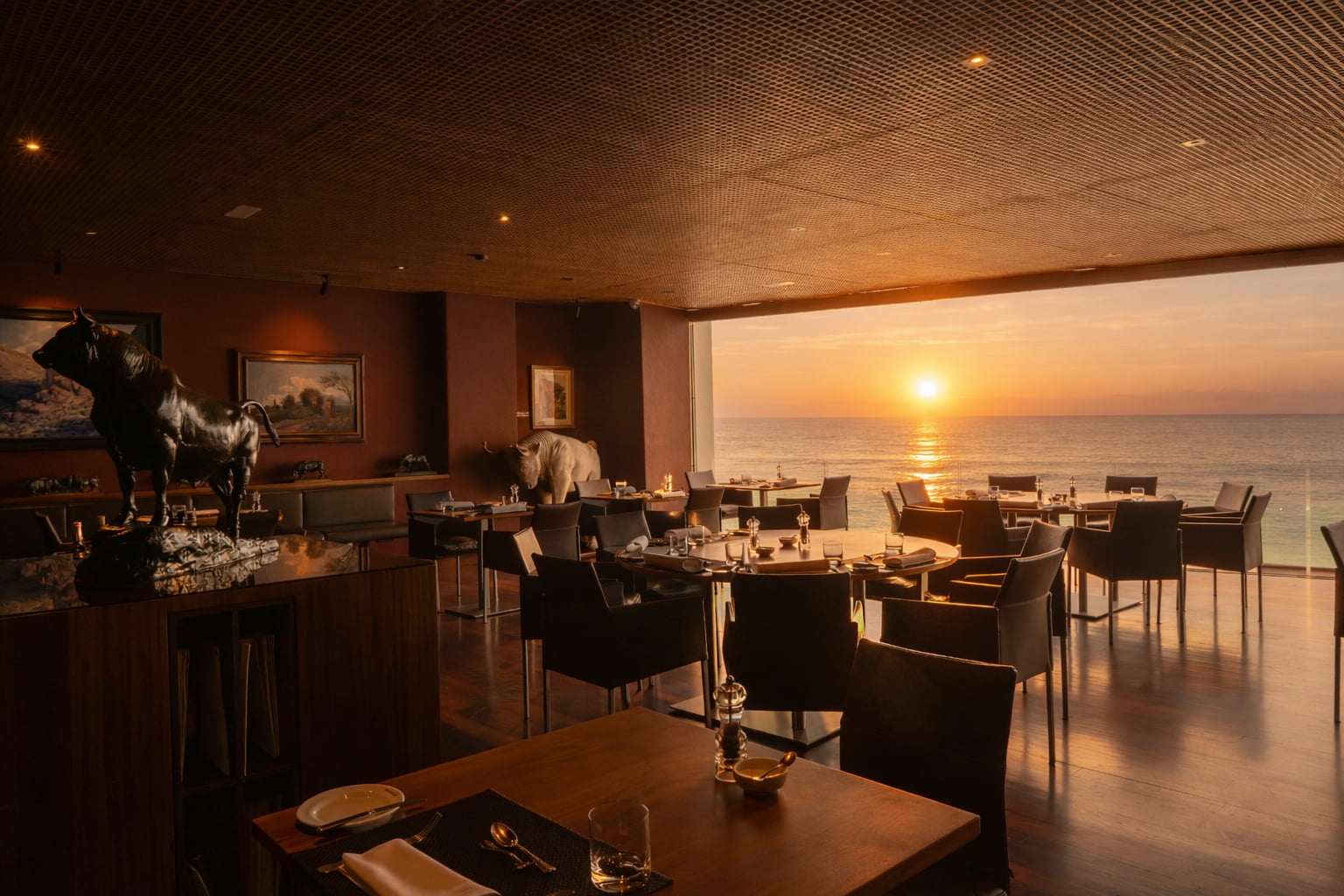
Moreover, its wine list offers the opportunity to explore notable pairings with Canarian wines, an essential component of the archipelago’s gastronomic identity.
Another compelling option is Muxacho, a restaurant that champions creative cuisine rooted in local ingredients, yet presented with a more contemporary flair — ideal for those in search of distinctive flavours while remaining connected to Canarian produce.
Alternatively, you may opt for the restaurants at Hotel Botánico & The Oriental Spa Garden, renowned for their international cuisine and meticulous attention to detail — perfect for a more tranquil evening after a day exploring the island’s north.
For Tenerife is not merely a place to visit; it is also a place to savour. And in the north, each meal has the potential to become one of the most memorable moments of your trip.
What to see in southern Tenerife: beaches, sunshine and relaxation
The south is synonymous with year-round good weather and some of the island’s most popular beaches.
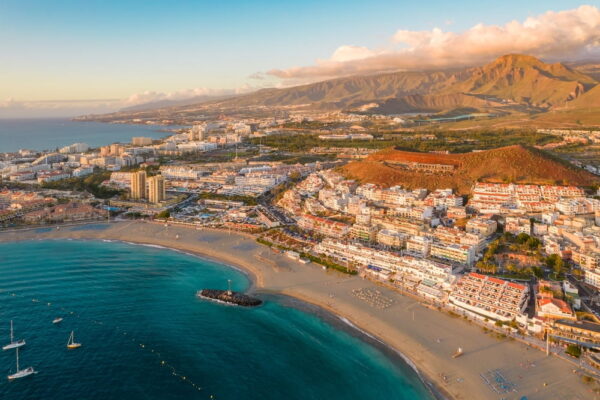
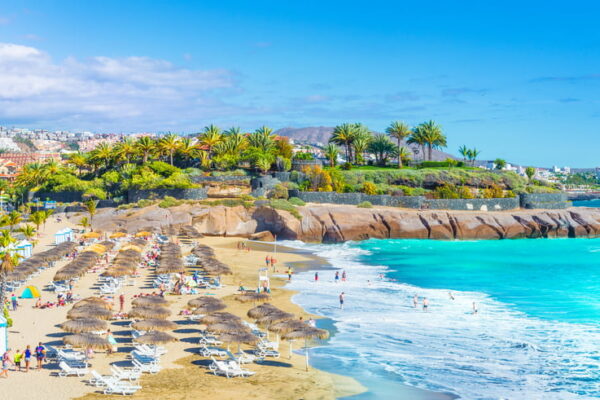
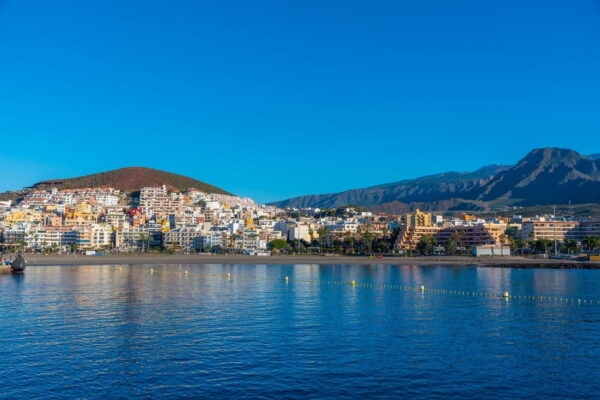
It is here that destinations such as Costa Adeje and Los Cristianos are concentrated, alongside wilder enclaves like the striking Masca Beach, framed by towering cliffs and accessible only by boat or after a demanding hike.
Beaches in southern Tenerife: sunshine, contrast and distinctive landscapes
The beaches of southern Tenerife stand out for their stable year-round climate, easy accessibility and remarkable diversity of settings. Here, well-maintained urban beaches coexist with far more dramatic corners, where the volcanic landscape asserts itself against the Atlantic.
For many visitors, these are, without question, the best beaches in Tenerife. Among the most well-known in the south are:
- Duque Beach, elegant and well equipped
- Fañabé Beach, comfortable and lively
- Los Cristianos Beach, central and easily accessible
- Masca Beach, one of the island’s most spectacular and untamed beaches
Although the south is often associated with calmer, more tourist-oriented beaches, Masca completely breaks that mould.
Masca Beach
This is one of the most breathtaking and secluded beaches on the island. Nestled at the foot of the towering cliffs of the Masca ravine, it presents a dramatic landscape where the mountains plunge directly into the sea.
Access is far from straightforward: you may arrive by boat or via a demanding hiking route that requires good physical condition and careful planning. Indeed, it is precisely this difficulty that has allowed the beach to retain its wild and almost untouched character.
Visiting Playa de Masca is a truly unique experience; however, it should be approached with respect for the natural surroundings and with proper awareness of access conditions and sea state. It is not a beach for a spontaneous visit, but rather for those seeking a different kind of adventure and one of the most striking landscapes in Tenerife.
What to do in Tenerife beyond sightseeing
Tenerife is not only explored — it is experienced. There is an abundance of activities in Tenerife that enrich any journey and add depth to your stay.
From whale and dolphin watching to paragliding, diving and hiking trails, the island stands as one of the most complete destinations in Spain when it comes to deciding what to do in Tenerife.
A plan that surprises everyone: Loro Parque
Some visits are not meant to be explained — they are meant to be experienced — and Loro Parque is undoubtedly one of them.
This is not merely about seeing animals; rather, it is about immersing yourself in an experience designed to inspire and captivate, where you can observe orcas, dolphins, penguins, gorillas and more.
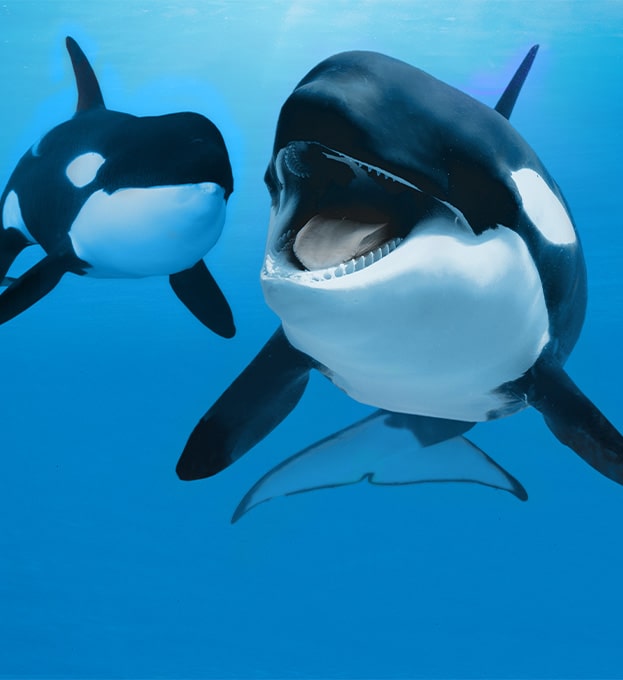
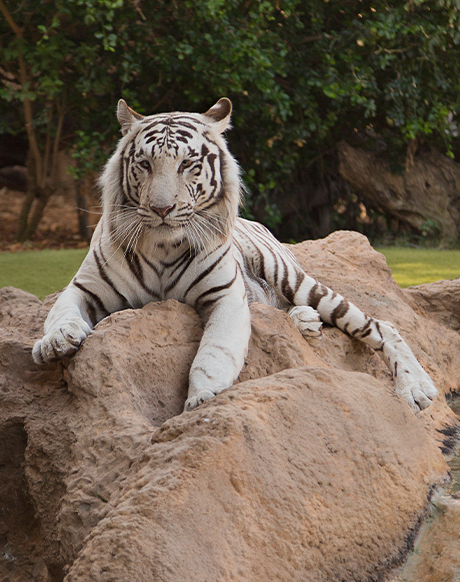
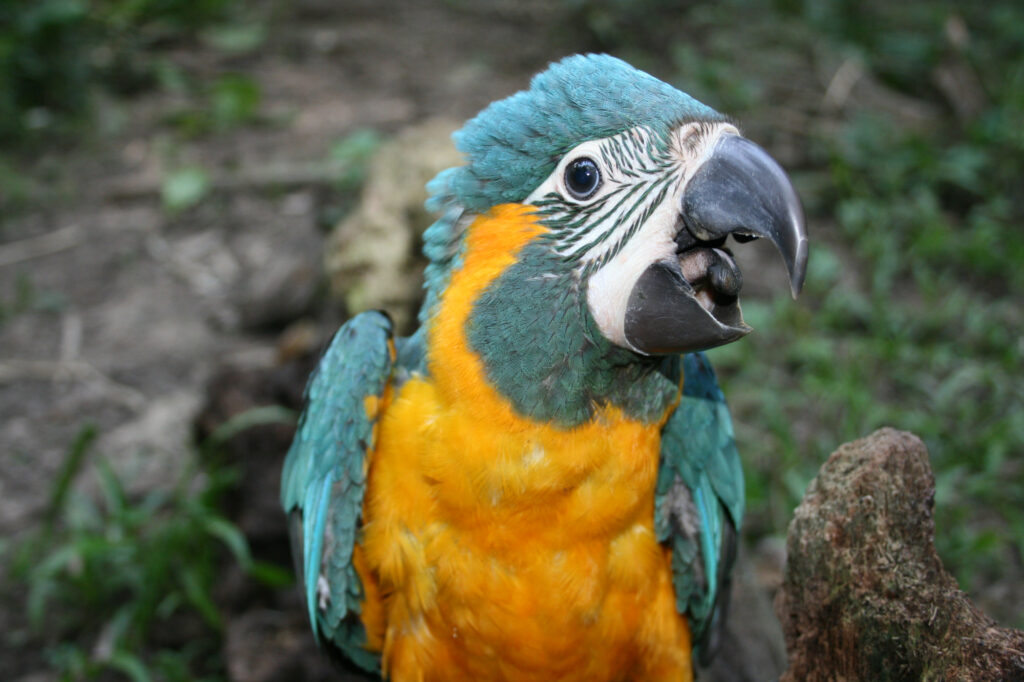
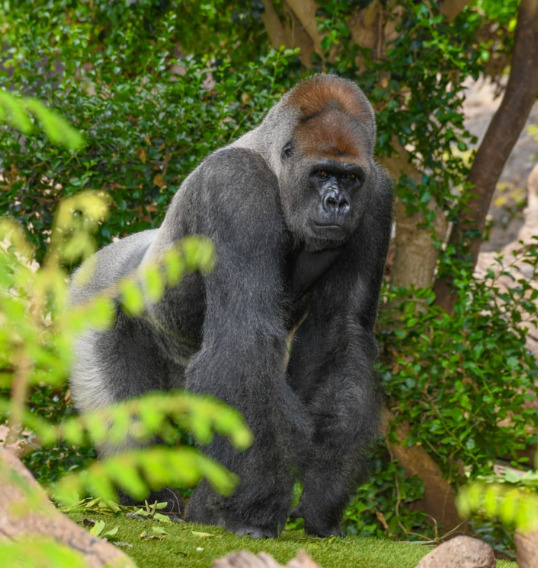
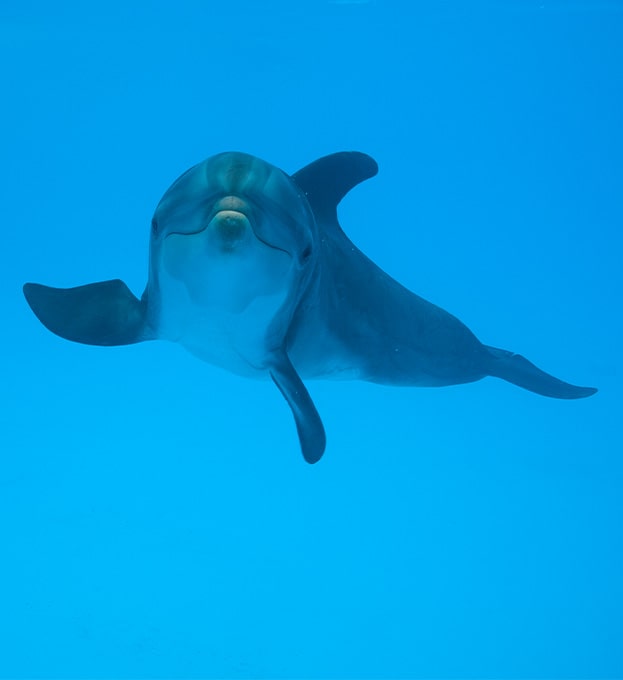
Many visitors ask how long it takes to explore Loro Parque. Our recommendation is clear: allow at least four to six hours. Ideally, however, you should dedicate a full day in order to enjoy everything included with your ticket at a relaxed pace.
Siam Park: adrenaline and aquatic thrills
If you are looking for something different, Siam Park is an almost essential visit.
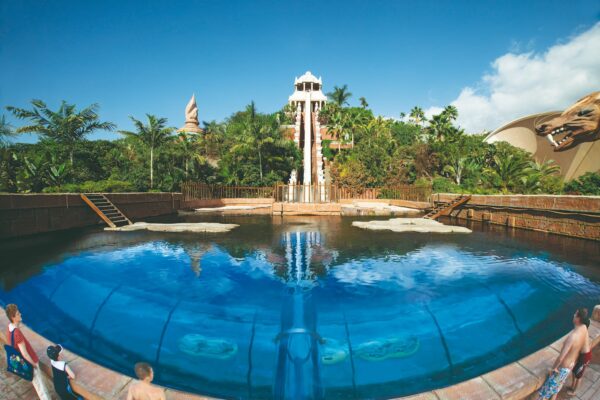
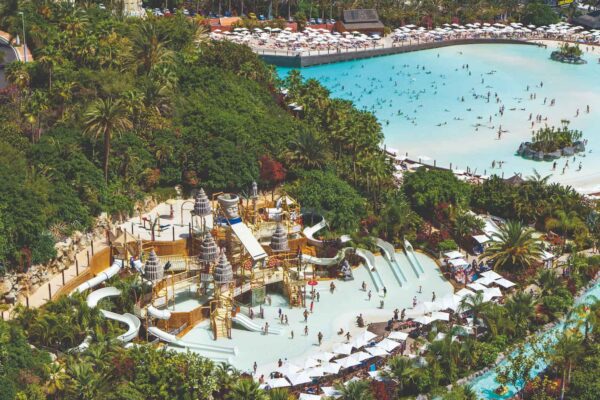
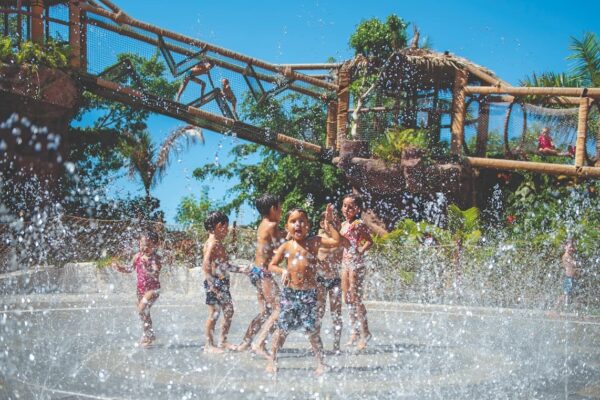
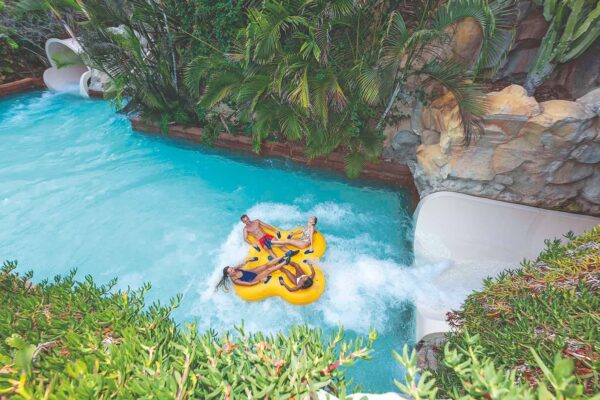
Widely regarded as the world’s best water park for 1o consecutive years by TripAdvisor, it is perfectly suited both to families and to those seeking high-adrenaline thrills among water slides, wave pools and dedicated relaxation areas.
Tenerife: an island you will forever remember
Tenerife is not merely a checklist of places to tick off on a map. It is an island to be experienced — the silence of Teide at dawn, the lush humidity of Anaga, the sound of waves breaking at Benijo, the tranquil streets of La Laguna or the constant light of the south.
No matter how many days you have or how many times you have visited, there is always something left undone: a trail not yet walked, a beach not yet reached, a corner glimpsed only in passing.
Here, every traveller finds their own rhythm. Some arrive in search of nature, others for beaches, family plans or distinctive experiences. Yet everyone leaves with something more — the sense that this island holds far more than first meets the eye.
And when someone asks what to see or what to visit in Tenerife, the answer is never definitive. It is simple and sincere: enough to make you want to return.